
Sundials
Sundials sit at the heart of the Foundation’s identity as a core conceptual framework. Their role emerged through the process of defining the Foundation’s visual identity in relation to its ethos: a structurally transparent entity that connects to bodies of research, absorbs influence through its own networks, and radiates cultural output outward.
Sundials articulate this framework through a set of interconnected themes; measurement and orientation, unified networks, the commemoration of knowledge and achievement, openness and transparency, and aesthetic references to modernism. They also ground the identity geographically, with London as the Foundation’s physical point of origin, home to Greenwich Mean Time and hundreds of historic sundials.
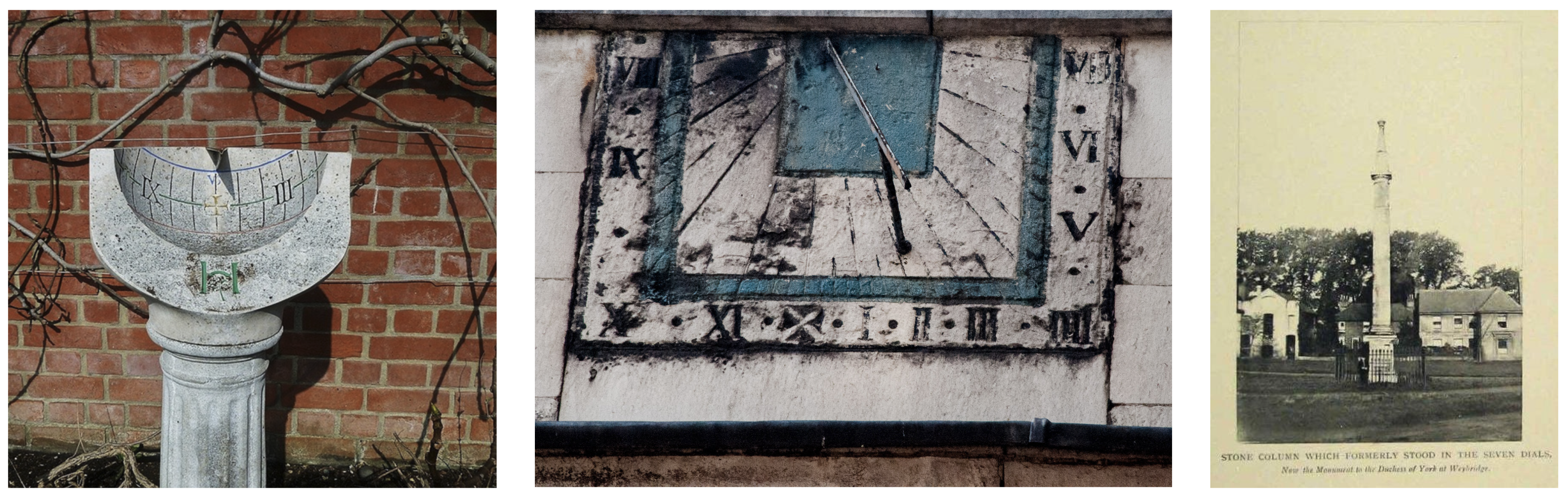
Sundials: Introduction
Sundials articulate this framework through a set of interconnected themes; measurement and orientation, unified networks, the commemoration of knowledge and achievement, openness and transparency, and aesthetic references to modernism. They also ground the identity geographically, with London as the Foundation’s physical point of origin, home to Greenwich Mean Time and hundreds of historic sundials.
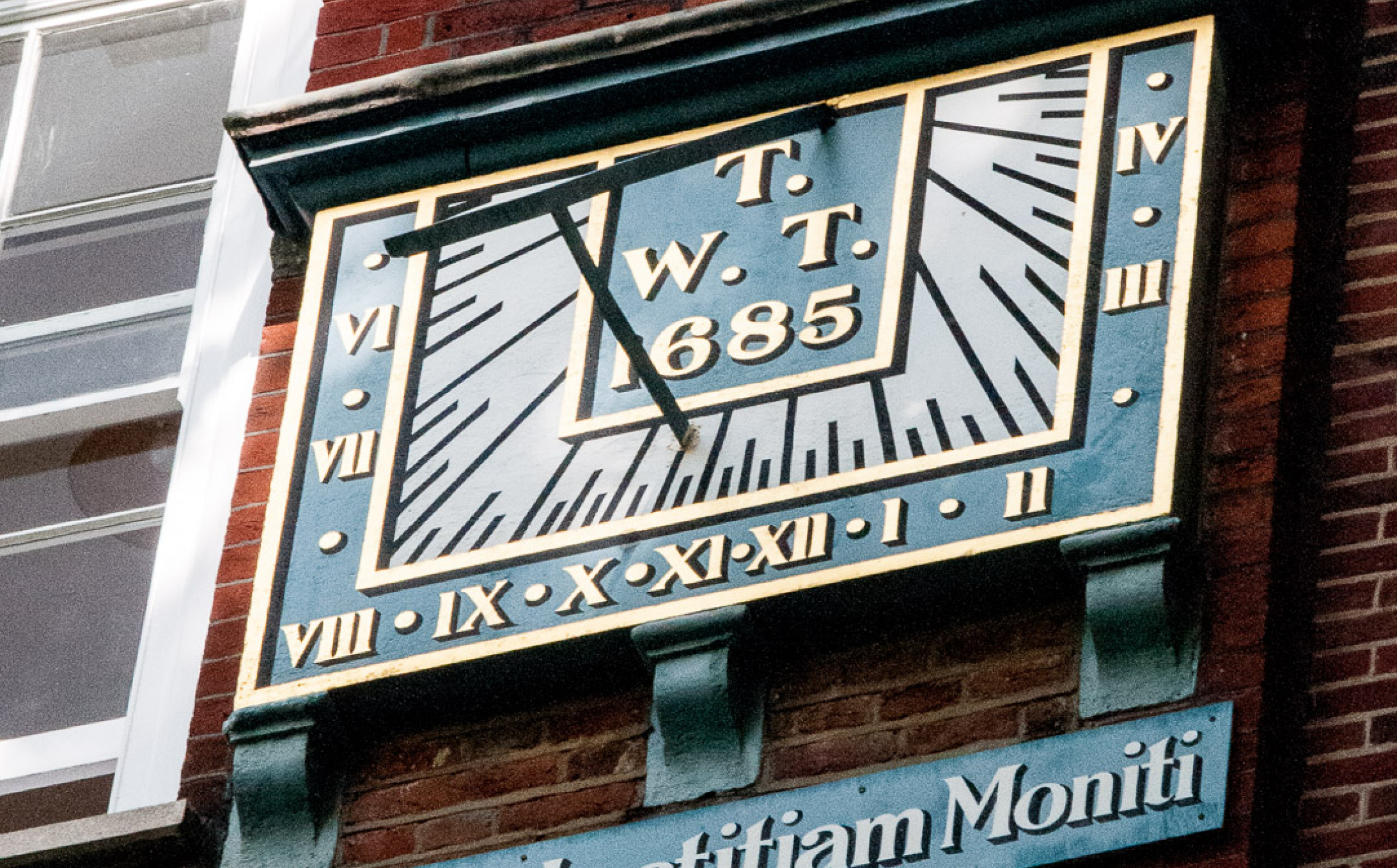
Sundials: Interpretations + Contexts of use
The visual execution of the sundial concept is intended to evolve and be interpreted across different events and subsections of the Paulinne Foundation’s ecosystem. When sourcing reference material, the British Sundial Society website provides a comprehensive mapping of sundials across the UK, with comparable resources available for other countries.
As Line/Overlay
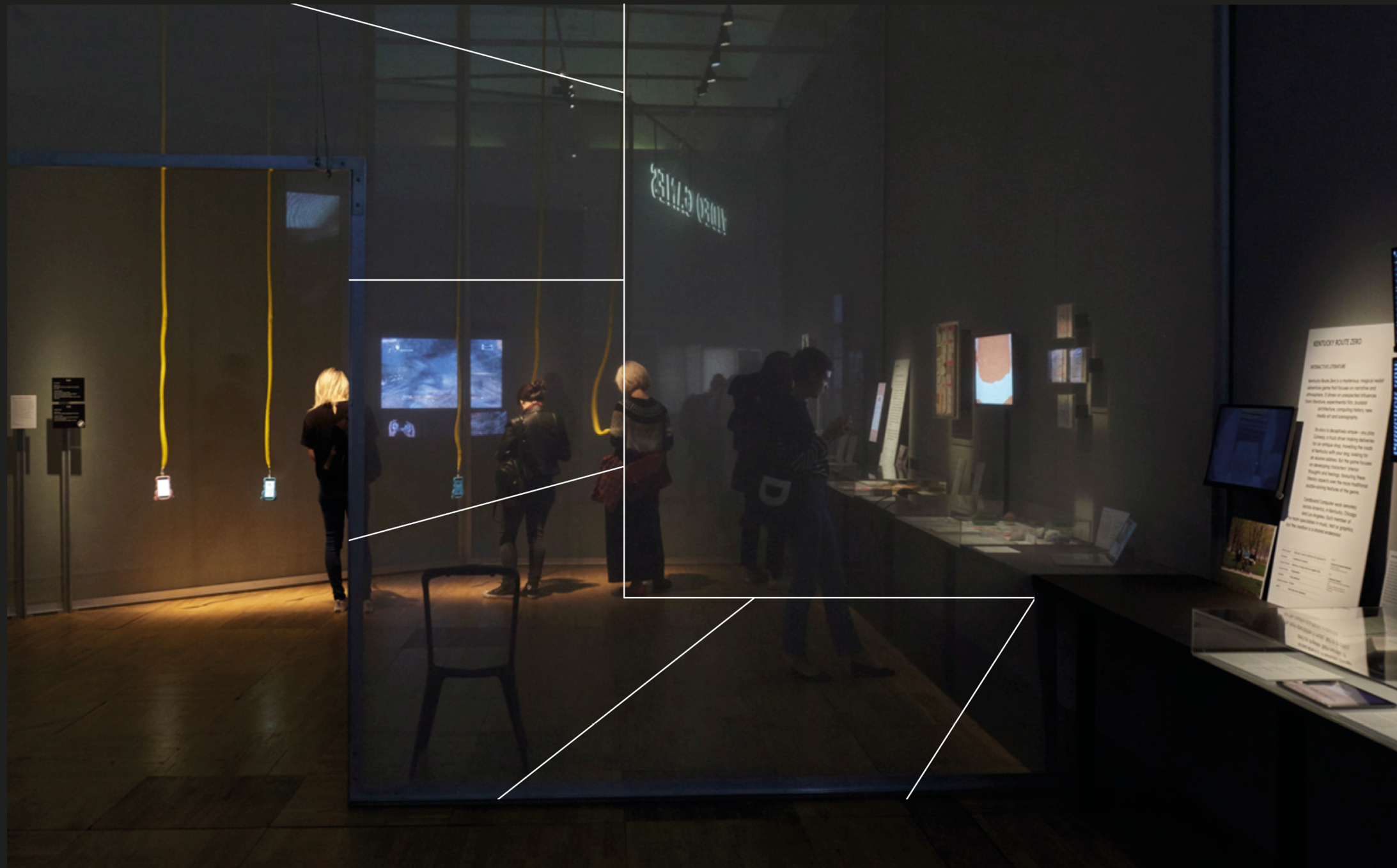
As Line/Overlay
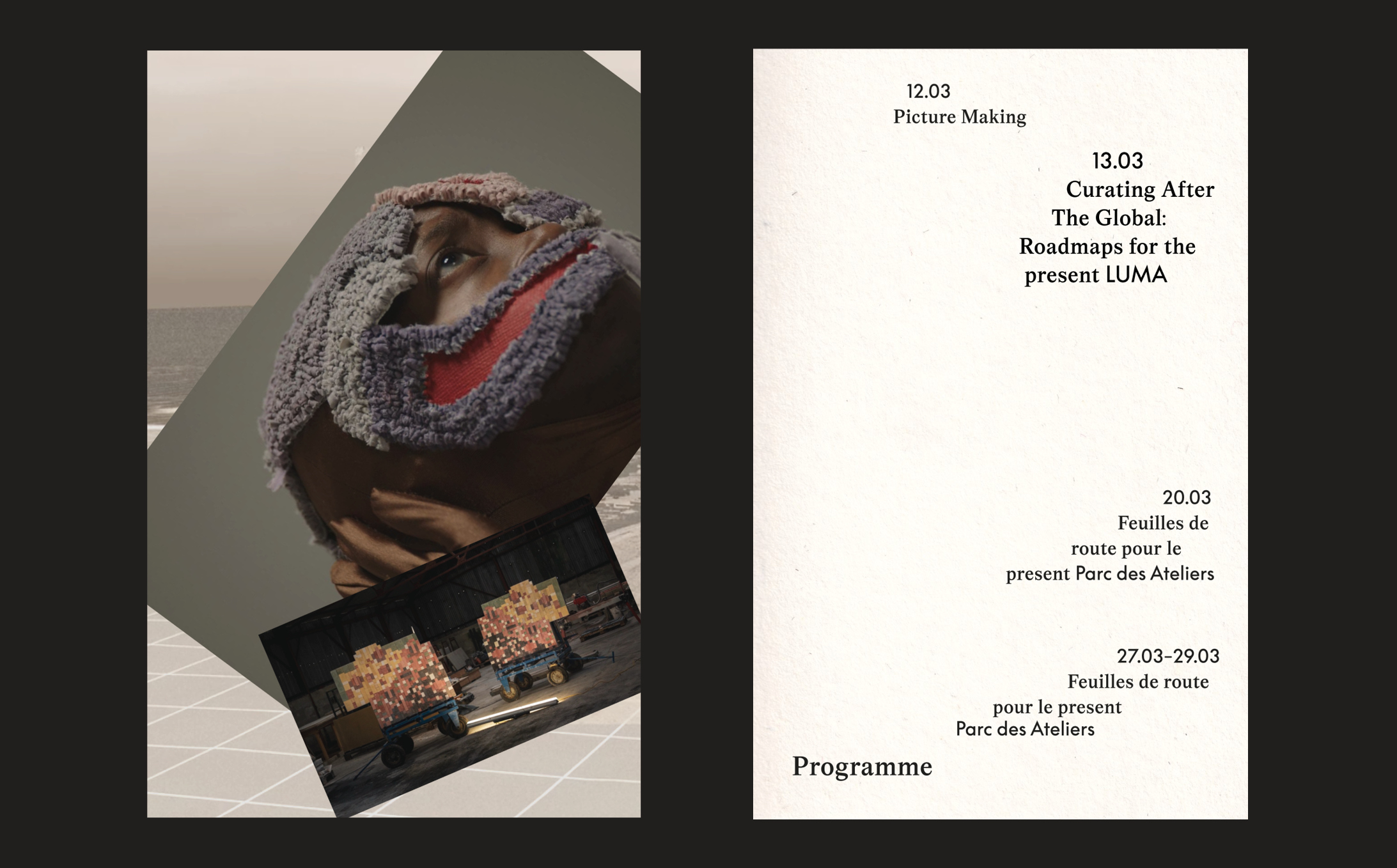
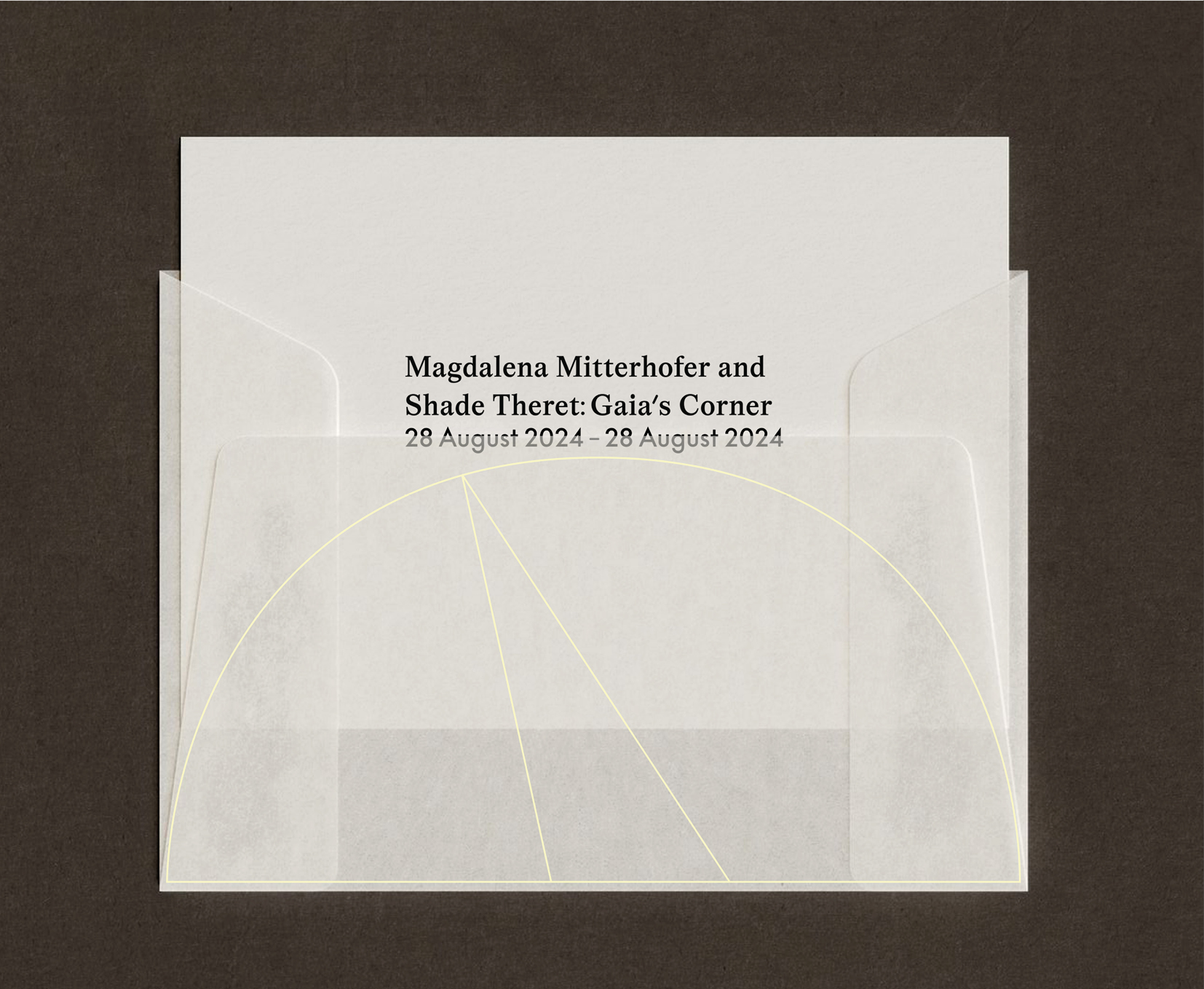
As a direct line drawing, forming graphic overlays, signage/directional devices, motion elements etc. across print and digital of varied scales.
As Structural Device
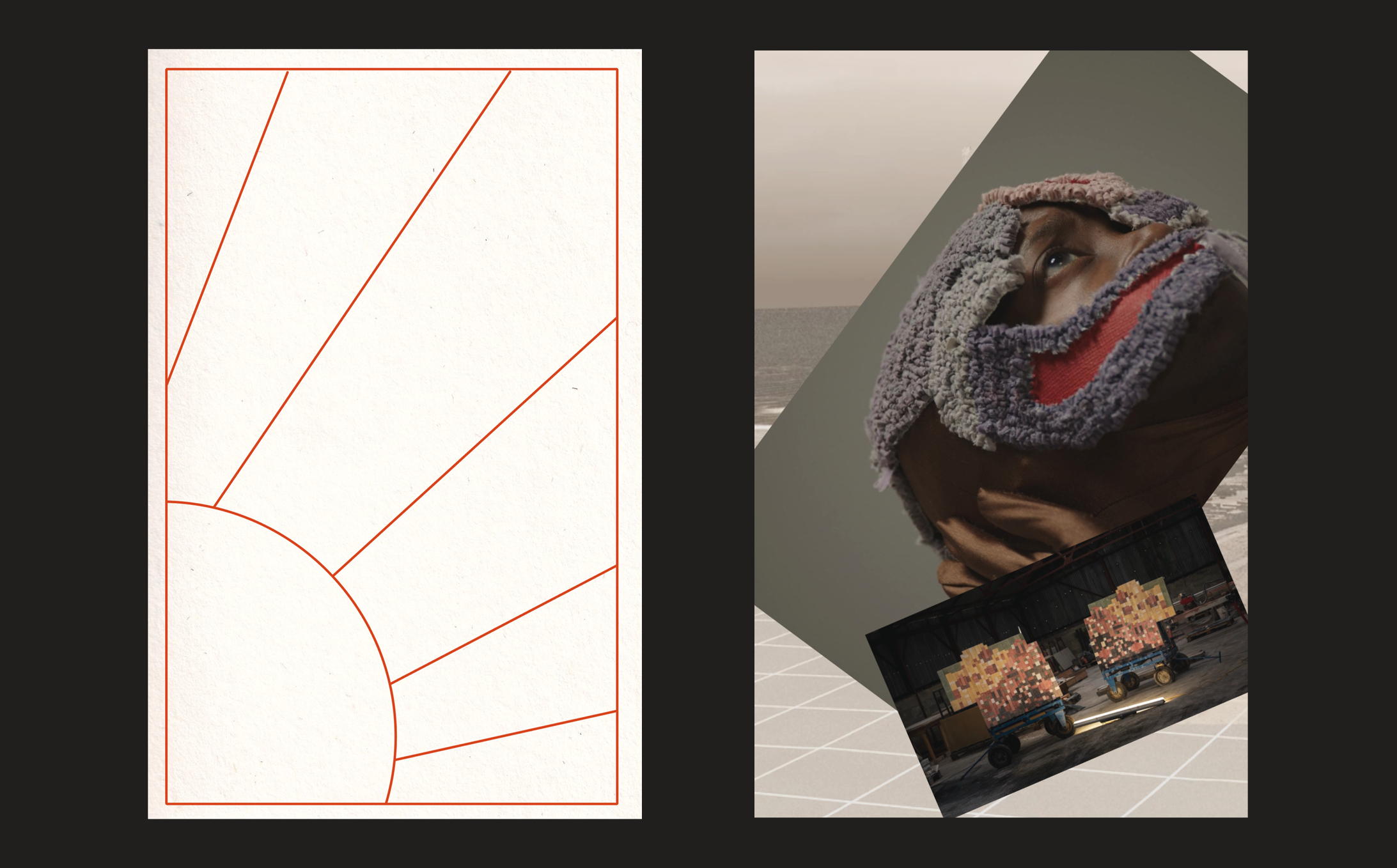
As a structural framework, the sundial may be articulated through supporting line work or remain unseen, acting as a radial source from which imagery stacks or fans outward and special text elements disperse.
Sundials: Structural Device
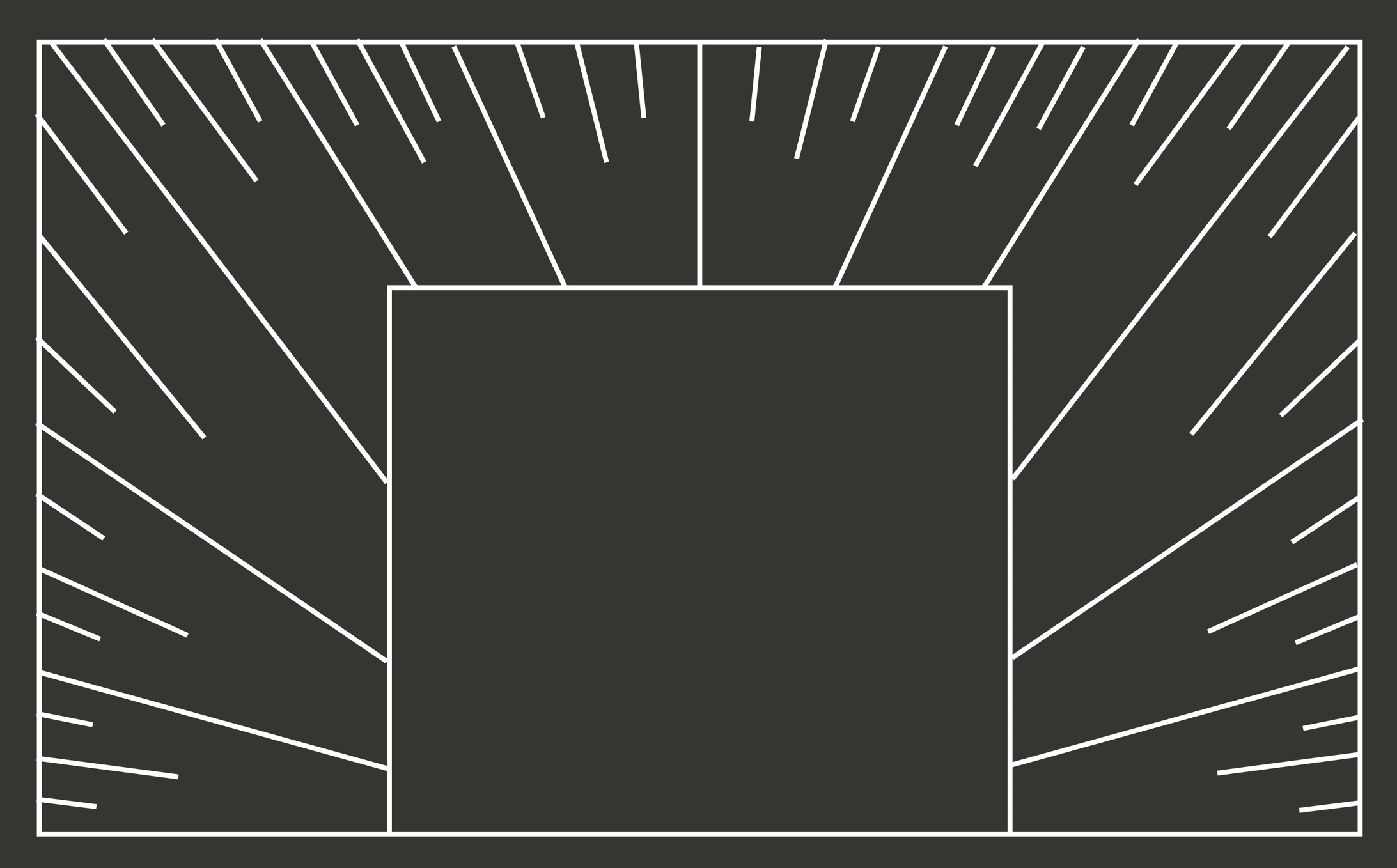
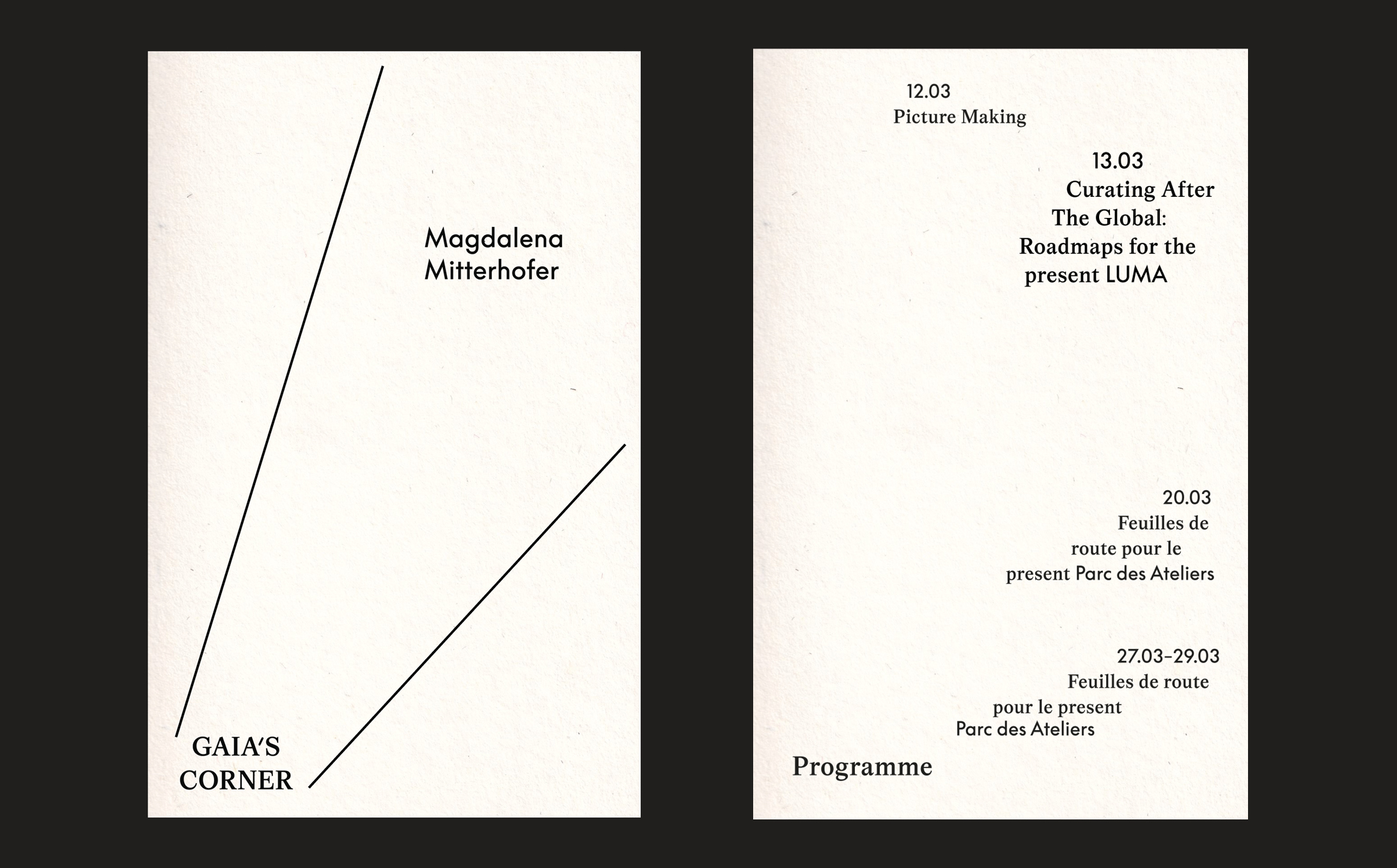
A selected sundial may be used as a structural device for both imagery and text. Images may “scatter” in alignment with the directional axes of the chosen sundial, while its lines can be
used to frame titles or introductory assets. In select circumstances, text may also disperse in response to these directions, taking the form of concrete poetry that directly engages with the sundial’s geometry.
Sundials: Image Placement
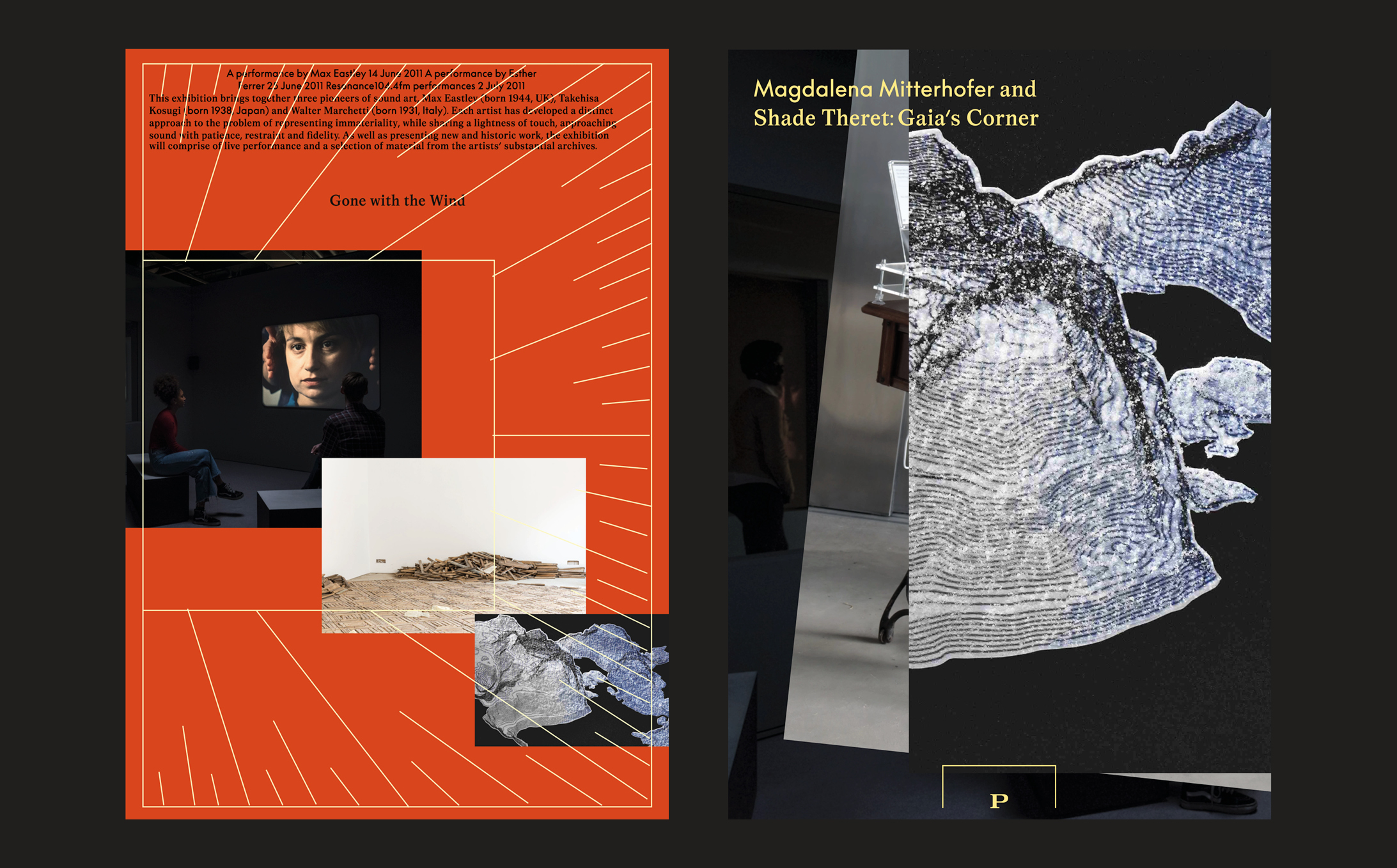
Imagery may respond to the directional logic of a sundial structure, radiating from a central point defined by the chosen form. In some applications, it may fan outward through rotation to fill the page; in others, it may gently stack from the same point of focus. This approach draws on the idea of imagery and content as layered, open-access material, designed to be explored, refiled, and reinterpreted by the Paulinne Foundation community.
Sundials: Excecution
Core Identity
The core identity draws from sundials in their various forms, translating them into simple line illustrations that express their geometry and radial networks. These illustrations function as both graphic overlays and structural devices, guiding the placement and organisation of text and imagery.
Ecosystem sub-brands
The Paulinne ecosystem, including the cinema, research centre, and library, interprets the sundial concept in distinct ways, as defined by each space’s sub-palette approach. These interpretations also extend into campaigns, where a selected sundial form or variation may be extrapolated beyond the core identity to serve as the foundation for marketing and promotional materials for individual events or programme series.